Credit cards in Switzerland.
Credit and debit cards available in Switzerland – without comments or expert opinions. Make your own choice.
Anzeige: Bei allen Veröffentlichungen auf dieser Website handelt es sich um bezahlte Anzeigen. Die Kreditvergabe ist verboten, falls sie zur Überschuldung führt (Art. 3 UWG).
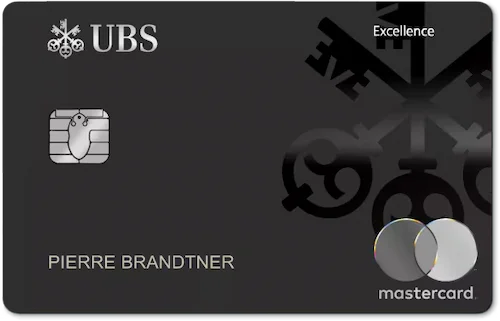



Credit card: How it works, advantages and disadvantages
A credit card is a physical or virtual payment instrument that grants the cardholder access to a previously approved credit limit (available credit). Unlike a debit card (e.g., Girocard), a credit card is not necessarily directly linked to the current checking account; transactions are often collected in a separate credit card account and only made available at a later date.
How it works: The special features
A credit card differs from a traditional installment loan in two key ways:
- The interest-free period (grace period): With every purchase or cash withdrawal, the bank lends the cardholder money. Within the so-called grace period (usually 30 to 60 days), this loan remains interest-free. Interest is only charged if the outstanding amount (balance) is not paid in full by the billing date.
- Revolving credit limit: The credit limit is “revolving,” meaning that it renews automatically after each payment. As soon as you settle the balance, the full amount is available again. This provides a permanent financial reserve without requiring a new bank review.
Advantages of Credit Cards
Worldwide Acceptance: Credit cards from providers like Visa or Mastercard are the global standard. A “real” credit card is often mandatory, especially when booking rental cars or hotels, to pay security deposits.
Financial Flexibility: The interest-free period allows you to bridge larger short-term purchases without immediately depleting your savings.
Security for Online Shopping: Many cards offer buyer protection programs and encrypted payment methods.
Additional Benefits: Many premium cards include insurance (e.g., travel cancellation or international health insurance) as well as cashback or bonus programs.
Disadvantages and Risks
High Interest Rates: Those who use the installment payment option often pay very high interest rates, which can be significantly higher than those of an overdraft or installment loan.
Risk of Debt: Because the payment is delayed, it’s easier to lose track of your actual spending.
Additional Fees: Depending on the contract, annual fees, cash withdrawal fees, or foreign currency fees may apply.
Acceptance gaps: In some smaller shops or rural areas, credit cards are less frequently accepted than debit cards due to merchant fees.
Conclusion:
The credit card is a powerful financial tool for travelers and online shoppers. It offers maximum freedom but requires a high degree of personal responsibility and discipline to avoid the cost trap of interest and fees.
Debit card: How it works, advantages and disadvantages
A debit card is a physical or virtual payment method directly linked to the holder’s personal bank account (salary account). In Swiss banking, modern cards like the Debit Mastercard or Visa Debit have largely replaced the classic Maestro card. The key difference from a credit card is that transactions are debited from the account immediately or within a very short time, and no separate credit line is used.
How it works: The special features
In everyday Swiss life, the debit card is characterized by two key features:
Real-time transactions
Every purchase in a store, every online order, and every ATM withdrawal is immediately deducted from the available balance. There is no monthly statement and therefore no interest-free period. You only spend the money that is actually in your account, which allows for direct control over your finances.
No revolving credit
Since the card accesses the account balance directly, the bank does not grant a separate line of credit. While the card has a daily or monthly spending limit (to protect against theft), it doesn’t offer a short-term financial reserve beyond the account balance. A credit check, as is standard with “real” credit cards, is usually not performed during issuance.
Advantages of the debit card:
Maximum cost control: Since every payment is immediately visible in the banking app, you always have a clear overview of your spending. The risk of being in debt at the end of the month is virtually eliminated.
Wide acceptance in Switzerland: Whether at the supermarket, the kiosk, or the hairdresser – the debit card (or the PostFinance Card) is widely accepted, often even where credit card payments are discouraged due to merchant fees.
Online payments: Thanks to the 16-digit card number and the security code (CVV), modern Swiss debit cards can now be used like credit cards for online shopping and streaming services.
Cost-effective cash withdrawals: Within Switzerland, withdrawing cash from your own bank’s or banking group’s ATMs with a debit card is usually free or significantly cheaper than with a credit card.
Disadvantages and risks:
Problems with deposits: When reserving rental cars or hotels abroad, the debit card often reaches its limits. Since there is no credit line on which an amount can be “blocked,” many providers still require a credit card.
Lack of additional benefits: Swiss debit cards generally do not offer insurance benefits (such as travel protection) or extensive bonus programs (cashback) like those offered by gold or platinum credit cards.
Foreign transaction fees: When used outside of Switzerland or in foreign currencies, processing fees may apply per transaction, which, depending on the bank, can be higher than with specialized travel credit cards.
No bridging loan: In times of financial difficulty, the debit card offers no flexibility, as it does not have a credit function.
Conclusion:
In Switzerland, the debit card is the basic tool for everyday payments and cash withdrawals. It offers a high level of security and transparency. However, those who travel internationally frequently, rent cars, or want to benefit from insurance coverage should ideally supplement their debit card with a credit card.
How do I choose the best credit card switzerland has to offer for daily shopping?
To find the best credit card, compare retail programs. The migros credit card (now the migros cumulus credit card issued by Cembra) and the coop credit card (Supercard Credit Card) dominate the market. Both function as a free credit card switzerland retailers support, offering no annual fees and direct cashback points, making them highly efficient for local supermarket spending.
What is the main structural difference when comparing a credit card vs debit card in the Swiss banking system?
A credit card vs debit card comparison relies on the settlement mechanism. A swiss credit card issues a monthly statement backed by a credit line, whereas a debit card (like Debit Mastercard or Visa Debit) instantly deducts funds from your Swiss current account. Traditional credit cards switzerland banks issue require strict creditworthiness checks under local lending laws.
Can I get a free credit card with no annual fee from major traditional institutions like UBS?
Traditional UBS credit cards are generally tied to banking packages (like UBS Banking Packages) and carry annual fees. However, if you are looking for a completely free credit card without package requirements, you must target independent providers or digital solutions that advertise a free credit card switzerland financial landscape approves, where basic card maintenance remains zero.
How does a virtual credit card operate, and is it safer for online shopping?
A virtual credit card consists of a digitally generated credit card number, expiry date, and CVV code without a physical plastic counterpart. Using virtual credit cards increases security because they can be locked or regenerated instantly via mobile apps, isolating your primary bank accounts from data breaches during an online credit card transaction.
What are the exact credit card dimensions and credit card size standard globally?
The physical credit card size is strictly governed by the international ISO/IEC 7810 standard. The exact credit card dimensions are 85.60 mm in width by 53.98 mm in height, with a thickness of 0.76 mm. This standardized geometry applies to every credit card switzerland issuers distribute, ensuring total compatibility with ATMs and payment terminals worldwide.
How do I resolve queries regarding my UBS credit card statements and limits?
For immediate card administration, users must contact the official UBS credit card center. Through the customer portal or the mobile application, you can adjust your UBS credit card limits, report unauthorized transactions, activate global card blocking, or manage emergency card replacements in compliance with Swiss banking regulations.
Can I use a virtual credit card generator to bypass verification checks?
Using an unverified virtual credit card generator online produces fake numbers that fail active processing network checks (Luhn algorithm validation). Attempting to use generated dummy data to bypass payment gateways or secure checkouts is fraudulent and legally actionable under Swiss cyber-crime laws. Always use authorized credit card issuers.
What features make the revolut credit card popular among Swiss travelers?
The revolut credit card (and its multi-currency debit variants available via revolut credit card switzerland accounts) is favored due to near-interbank exchange rates. Traditional Swiss banks levy a 1.5% to 2.5% foreign exchange surcharge, whereas Revolut minimizes these fees, providing competitive advantages for international spending and digital asset management.
How do frequent flyers maximize rewards using a Miles and More credit card in Switzerland?
Frequent travelers utilize a Miles and More credit card issued by Swisscard AECS to accumulate Lufthansa Group loyalty points. By consistently using the Swiss miles and more credit card package, cardholders earn miles for every Swiss Franc spent. These accumulated points can be redeemed for flight upgrades, lounge access, or high-value retail rewards.
Is a prepaid credit card a viable alternative if I have a negative Swiss credit history?
Yes. A prepaid credit card does not involve a line of credit, meaning issuers do not run debt collection registry (Betreibung registers) checks. You load your own capital onto the card beforehand. This allows individuals to enjoy global card acceptance without accumulating compounding credit card debt.
Which institution is responsible for issuing the popular cumulus credit card?
The cumulus credit card is issued by cembra credit card operations (Cembra Money Bank AG), following Migros’ split from its previous issuer. Cembra provides the technical infrastructure, financing, and credit limit management for the card, while maintaining the attractive zero-annual-fee structure for consumers.
How competitive is the Postfinance credit card compared to cantonal alternatives?
The Postfinance credit card offers stable, structured terms, particularly appealing to Swiss retail banking clients. While it delivers integrated domestic efficiency, consumers checking a free credit cards switzerland comparison tool might find specialized fintech options or store cards cheaper regarding foreign transaction fees and baseline rewards.
What should I consider before trying to buy crypto with credit card options?
When you buy crypto with credit card accounts, Swiss issuers categorize the transaction as a cash-like operation. This incurs immediate high cash advance fees (often 3.75% or a minimum of CHF 10) plus immediate interest accumulation. It is financially safer to fund crypto exchanges via standard bank transfers instead of a direct crypto credit card debit.
Are there options to manage a dedicated virtual credit card switzerland platform allows?
Yes, multiple fintech applications provide a secure virtual credit card switzerland users can deploy instantly. Digital platforms issue these dynamic cards for secure e-commerce execution, allowing clients to set strict single-use limits to protect their real financial identity from malicious web elements.
Can I link a specialized retail card like the supercard credit card to a paypal credit card account?
You can link your supercard credit card (Coop) or any valid Swiss Mastercard/Visa to a PayPal digital wallet. While a standalone branded paypal credit card is not native to the Swiss market, linking your existing Swiss credit card allows you to enjoy PayPal’s buyer protection while earning Supercard points.
Is the ikea credit card financially viable for long-term financing in Switzerland?
The ikea credit card offers specific financing advantages for large in-store furniture purchases, often featuring promotional interest-free periods. However, if you carry a balance past the promotional window, the interest rate escalates toward the maximum legal limit permitted under Swiss consumer credit laws (around 14-15%), making long-term rolling debt expensive.
How do digital-only options like the Neon credit card challenge traditional Swiss giants?
Digital platforms like the Neon credit card solution (structured as a zero-fee debit card with credit-like global acceptance) challenge incumbents by eliminating annual fees and foreign transaction surcharges. By providing transparency via mobile apps, they attract cost-conscious demographics who reject traditional banking overheads.
What value does an American express credit card offer within Swiss territory?
An American express credit card (often distributed within Swisscard cashback duos) offers premium reward points multiplier systems and superior travel insurance coverages. The main consideration is merchant acceptance, as smaller Swiss businesses occasionally decline Amex due to higher interchange fees compared to Visa or Mastercard.
Can I buy bitcoin with credit card instantly without verification?
No. Due to strict Swiss Anti-Money Laundering (AML) regulations enforced by FINMA, any regulated portal allowing you to buy bitcoin with credit card requires Identity Verification (KYC). Portals advertising instant, completely anonymous crypto credit card purchases are typically unregulated platforms or outright fraudulent operations.
What unique investment benefits does a swissquote credit card guarantee?
The swissquote credit card rewards spending by directly converting earned cashback into investment capital. Your accrued points are automatically credited to your Swissquote trading account in CHF, allowing users to build equity or purchase assets passively through routine merchant transactions.
How do Raiffeisen credit card options fit into the local Swiss ecosystem?
A Rraiffeisen credit card provides excellent localization. Backed by the cooperative Raiffeisen Group, these cards offer comprehensive integration with local museum passes, Swiss travel discounts, and solid domestic support, making them highly reliable for established residents across various cantons.
Is it safe to execute payments on adult entertainment sites like a credit card Pornhub transaction?
Processing an online payment for adult platforms using a standard credit card Pornhub billing descriptor is technically secure if the platform uses encrypted tokenization. However, to preserve personal privacy and shield primary bank details from adult site databases, experts recommend utilizing a disposable virtual credit card instead of a primary credit line.
How do retail reward structures differ between the migros cumulus credit card and its competitors?
The migros cumulus credit card rewards users with 1 Cumulus point per 1 CHF spent inside Migros establishments, and 1 point per 3 CHF spent externally. Competitors like the Coop Supercard maintain distinct valuation metrics. Both represent the pinnacle of fee-free consumer loyalty optimization within Switzerland.
What are the risks associated with revolving credit card debt in Switzerland?
Accumulating credit card debt in Switzerland triggers aggressive interest consequences. Under the Swiss Consumer Credit Act (KKG), interest rates are capped but remain high. Unpaid balances can quickly lead to an official debt enforcement record (Betreibung), severely damaging your credit score and future renting or borrowing capacity.
Can I request a completely free credit card from traditional cantonal or national banks?
Most traditional institutions do not natively offer an isolated free credit card without monthly account management costs. True free credit cards switzerland hosts are typically issued by independent financial service companies or digital neobanks that deliberately decouple card products from traditional paid asset accounts.
What happens if I input an incorrect credit card number during an online checkout?
If you type an incorrect credit card number, the payment gateway’s algorithmic check immediately flags the input as invalid before attempting a financial draw. The transaction is instantly declined. Repetitive entry of invalid details can lead to security algorithms blacklisting your IP address to prevent fraudulent operations.
Are digital apps offering a revolut credit card switzerland setup fully regulated?
While Revolut operates with a European banking license, the Revolut credit card switzerland functionalities operate under compliance terms adjusted for Swiss users. Funds are held securely, but it does not enjoy the identical Swiss deposit protection scheme (esisuisse) that traditional local Swiss licensed banks provide.
How does the UBS credit card system protect users against online merchant fraud?
Every UBS credit card incorporates automated fraud detection systems and supports the 3D Secure protocol. If suspicious activity occurs, the transaction is put on hold, and the system prompts validation through the access app or sends an alert via the UBS credit card center network to prevent unauthorized exploitation.
Can I utilize international virtual credit cards to settle liabilities in Swiss Francs (CHF)?
Yes, you can deploy global virtual credit cards to execute transactions in CHF. However, if the underlying card account is denominated in EUR or USD, your transaction will be subject to foreign currency exchange spreads, which can reduce the cost-effectiveness of using that specific virtual credit card platform domestically.
What is the ultimate strategy to identify the best credit card options available?
Identifying the absolute best credit card requires matching your spending profiles to the card’s fee structure. For domestic grocery shopping, store cards are optimal. For global travel, fintech tools excel. Always audit annual fees, foreign currency exchange margins, and insurance additions across the entire credit card switzerland spectrum before signing a binding contract.